How to Choose the Right Dune Buggy for a Desert Safari in Dubai
Choosing a dune buggy for a desert outing is less about picking the boldest-looking vehicle and more about matching the ride to the terrain, the route and the people who will be on it. A buggy that feels exciting on flat sand can feel tiring or unsettling on steep dunes. A vehicle with plenty of room may still be a poor fit if the tour is fast and technical. Start with the experience you want, then work through the practical details.
The desert around Dubai changes through the day. Soft sand, firm tracks, small dips and steep crests all ask different things of an off-road vehicle. A good choice is one that gives the driver control without turning every moment into a test of nerve. Think of the buggy as part of the whole safari, alongside the route, the timing and the level of guidance.
Decide what kind of ride you want
First, set the tone of the trip. Some riders want a calm introduction to sand dune terrain, with steady driving and frequent stops. Others want a livelier ride with sharper turns and more time on open dunes. The right vehicle depends on that aim. A relaxed outing calls for predictable handling and a seating position that feels secure. A more energetic ride calls for stronger acceleration, responsive steering and a suspension that stays composed when the surface changes.
Be honest about the group as well. Children, older passengers or anyone who dislikes rough movement may prefer a gentler pace and a buggy with stable seating. If the group includes several riders who all want a turn, check how the vehicle is operated and whether driving time is shared. A single buggy can feel very different from a convoy where everyone has a clear role.
Match the buggy to the terrain
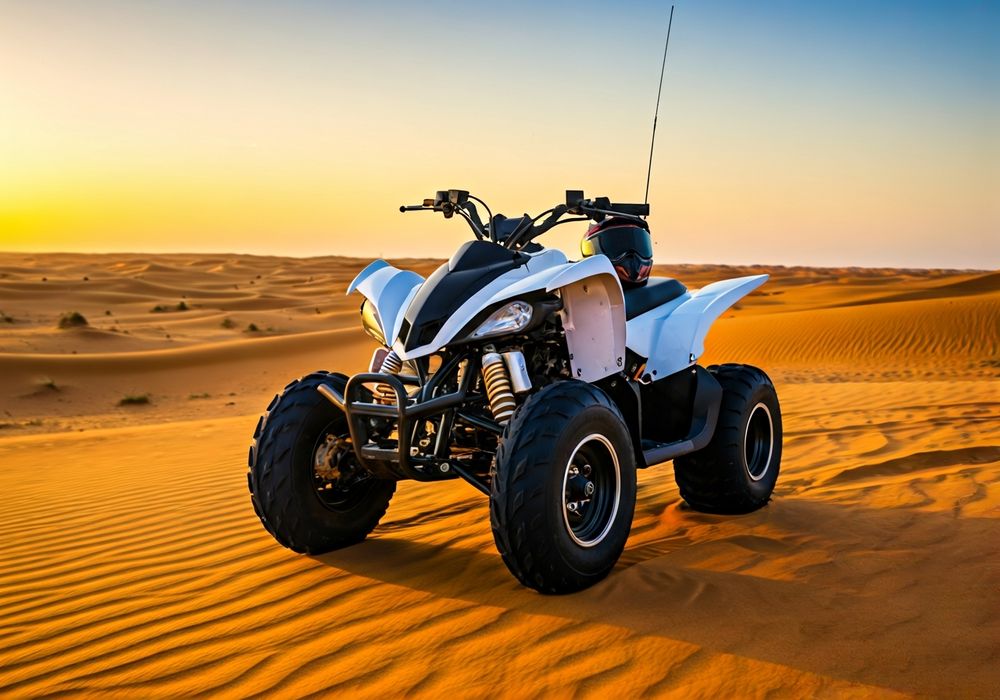
Sand is not a fixed surface. It can be firm in the morning, loose later in the day and uneven near dune faces. A suitable dune buggy dubai should have enough ground clearance to avoid scraping on ridges and a chassis that can cope with repeated bumps. Wide tyres help spread weight across soft sand, reducing the chance of digging in. Suspension matters too, because it keeps the wheels in contact with the ground and makes the ride less punishing.
Ask what sort of route the buggy is intended for. Open desert driving is different from a route with tight turns near camps or mixed tracks. If the route includes dune bashing, control and stability matter more than raw speed. A vehicle that can slow down cleanly and change direction with confidence is usually a better choice than one built only for quick straight runs.
Pay attention to the condition of the machine rather than its paint or decals. Look for even tyre wear, secure seating, clean footwells and steering that feels smooth before the ride begins. Visible damage, loose trim or a warning light should not be brushed aside. Mechanical concerns are not a DIY repair job, especially around the engine, drive system or braking components. Those issues need attention from a qualified professional before the vehicle is used.
Check the safety setup before committing
Safety equipment is not an optional extra. A properly fitted safety helmet should be available for each rider who needs one, and it should sit level on the head with the strap fastened snugly. A helmet that shifts around offers far less protection. Desert goggles can also help with dust and glare, particularly when the buggy is moving behind other vehicles or across loose sand.
Seatbelts, handholds and door or side restraints deserve a close look. Passengers should be able to sit upright without bracing constantly against the person beside them. Check that feet have a clear place to rest and that loose clothing, scarves or bags cannot catch in moving parts. Long hair should be tied back. Cameras and phones need a secure pouch or strap, since a pocket is not always enough on rough ground.
It is also sensible to ask how the ride is supervised. Clear hand signals, a brief route explanation and a shared understanding of when to slow down can prevent confusion. The best choice is a buggy paired with an operator who knows how to read the dunes and adjust the pace. Technical faults, unusual noises or handling problems should be reported at once rather than ignored during the ride.
Compare power, control and comfort
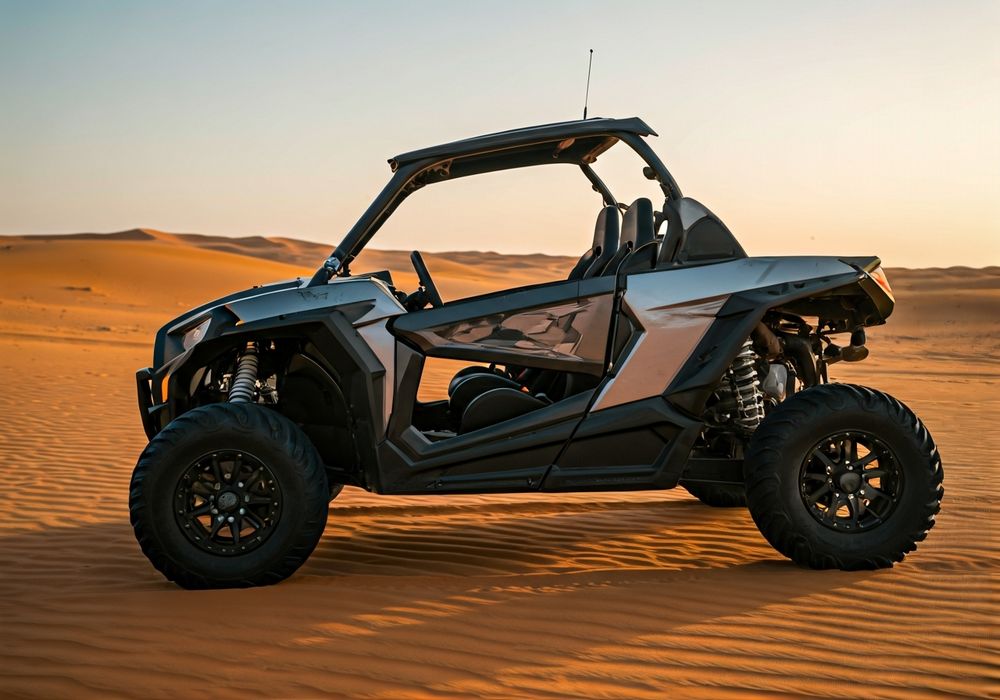
Power helps a buggy climb and keep moving through soft sand, but too much power in inexperienced hands can make the vehicle hard to manage. Control comes from a balance of steering, suspension, tyres and weight. A smaller engine with good balance may feel easier to handle than a more powerful buggy that surges unexpectedly. Riders who are new to off-road driving often benefit from something predictable.
Comfort is not just about padded seats. Heat, dust and vibration change how a ride feels over time. A buggy with good ventilation, clear visibility and a seating position that supports the back will feel better on a longer route. Check whether passengers can see ahead and whether the driver has an unobstructed view of the path. If visibility is poor, enjoyment drops and reaction time suffers.
There is a trade-off between open, airy designs and enclosed comfort. Open buggies give a strong sense of the desert but expose riders to more dust and sun. More enclosed options can feel calmer, though they may reduce the feeling of speed. The decision should reflect the season, the time of day and the tolerance of the group. A sunset tour may be cooler, but dust can still be present when several vehicles travel together.
Ask the right questions before booking
A few direct questions can reveal whether a buggy is a good fit. The aim is not to interrogate anyone, but to make sure the vehicle and the ride match expectations. Clear answers usually point to a better experience than vague promises about speed or adventure.
- What type of buggy is used, and is it suited to the route planned for the day?
- What safety gear is provided, and are sizes available for all riders?
- How much driving time is included, and are stops built into the route?
- What happens if the weather, sand conditions or vehicle condition change?
- Are there height, age or experience requirements for drivers and passengers?
Listen for specifics. A useful answer explains how the vehicle handles sand, what gear is supplied and how the pace is managed. An answer that focuses only on speed may signal a ride that is less suitable for a first-time rider or a mixed group. If something feels unclear, ask again in simpler terms rather than filling the gap with assumptions.
Make the final choice with the whole trip in mind
Once the basic fit is clear, compare the buggy with the rest of the outing. A desert safari may include dune driving, photo stops, camp activities or a quieter transfer between areas. The buggy should fit into that plan rather than dominate it. If passengers want time to take in the landscape, constant movement will feel rushed. If the main appeal is driving, a route with long pauses may feel flat.

The phrase dune buggy dubai can cover very different experiences, from a short ride to a more involved desert route. Look beyond the name and focus on what the vehicle can do safely, how it is maintained and who it suits. A buggy with solid handling, proper safety gear and a pace that matches the group will nearly always be a better pick than one chosen for appearance alone.
Finally, trust practical signs. Clean, orderly equipment, calm instructions and a clear route all suggest a more considered setup. Rushed briefings, missing safety gear or vague answers are reasons to pause. When the vehicle, terrain and rider experience line up, the result is a desert ride that feels controlled, memorable and comfortably matched to the people in it.